
Zero-TrustAvionics: SovereignArchitectureGuide
Building resilient, anti-jamming defense systems through cryptographic identity attestation, micro-segmented telemetry, and continuous zero-trust avionics verification.
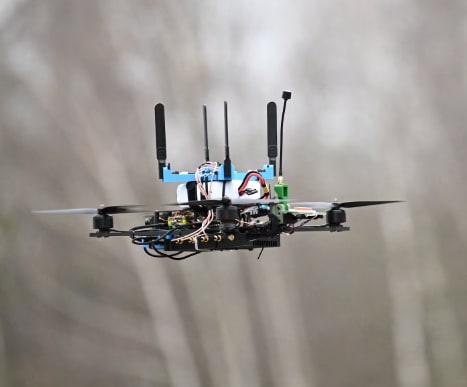
Executive Abstract
Zero-Trust Architecture for uncrewed aerial systems provides an implementation guide to securing avionics and telemetry links. It enforces mutual cryptographic attestation between ground control stations, flight controllers, onboard companion computers, and auxiliary payloads.
Introduction
Traditional avionics architecture operated under the flawed assumption that all onboard components within a drone chassis were intrinsically trustworthy. Modern electronic warfare, rogue hardware implants, and RF sniffing have rendered this assumption invalid.
Zero-trust avionics mandates that every packet, telemetry exchange, and actuator signal is authenticated, encrypted, and continuously reassessed.
Industry & Technological Background
Electronic warfare threats—including GPS spoofing, signal interception, and unauthorized video feed taps—have surged across border surveillance and industrial infrastructure corridors.
Defense agencies and commercial operators demand anti-jamming frequency-hopping links, AES-256 encrypted MAVLink channels, and tamper-resistant cryptographic co-processors.
Core Analytical Discussion
Zero-trust avionics rests on four core tenets: Cryptographic Device Identity, Least Privilege Bus Communication, Isolated Command Channels, and Real-Time Anomaly Detection.
Payloads (such as zoom cameras or thermal sensors) are sandboxed so that a compromised sensor payload cannot issue rogue flight commands to the underlying autopilot.
Technical Architecture / Systemic Dimension
The MedhaArc zero-trust avionics stack segregates communication across five planes: Identity Plane (secure hardware keystore), RF Telemetry Plane (frequency-hopping spread spectrum), Bus Plane (isolated CAN networks), Companion Compute Plane (read-only immutable operating system), and Flight Executive Plane (fail-safe hard RTOS).
Strategic & Ecosystem Implications
Relying on foreign drone firmware with opaque closed-source firmware creates severe national security liabilities. Developing sovereign avionics with auditable zero-trust protocols guarantees mission independence.
Regulatory & Governance Considerations
National defense and cybersecurity standards require end-to-end encrypted telemetry logs, export-controlled crypto implementations, and verified supply chain provenance.
Implementation & Structural Constraints
Real-time avionics require low latency: cryptographic verification cannot introduce jitter into high-frequency motor control loops. Lightweight hardware-accelerated encryption engines are essential.
Forward Outlook & Innovation Trajectory
Future zero-trust avionics will incorporate post-quantum cryptography, distributed mesh validation between autonomous swarms, and decentralized trust scoring.
Concluding Analysis
Zero-Trust Architecture is no longer an enterprise software luxury; it is the vital protective shield of sovereign defense and commercial robotics in contested environments.
Build Real Aerospace & Autonomous Robotics Hardware
At MedhaArc Labs, we transition students and engineering learners from passive tutorials to physical engineering. Explore our hands-on drone flight controller kits, 6-DOF robotic arm testbenches, and institutional STEAM curriculum.