
DigitalTransformation: FieldRoboticsatScale
Navigating the complexities of cyber-physical integration, multi-spectral drone telemetry, and legacy industrial modernization in distributed enterprise environments.
Executive Abstract
Digital transformation has evolved beyond front-end software digitisation into the structural re-architecture of physical industrial cores. Industrial enterprises are shifting from isolated manual inspections to automated aerial audits, digital twins, and robotic workcells.
The decisive differentiator is no longer adopting disconnected tools, but the ability to orchestrate sovereign hardware, localized data capture, and automated analytics into a cohesive transformation fabric.
Introduction
Enterprise modernisation is characterised by cyber-physical convergence. Drone inspections intersect with GIS mapping, robotic arms integrate with automated packaging cells, and telemetry feeds into predictive maintenance systems.
Organisations that modernised databases in the previous decade now confront physical-layer transformation: how to transition manual field inspection of bridges, power lines, and crop fields into automated, continuous, and highly accurate autonomous sweeps.
Industry & Technological Background
The industrial transformation trajectory is driven by several technological inflection points: ultra-reliable RTK positioning, high-density lithium flight batteries, and low-power edge neural accelerators.
Simultaneously, computer vision algorithms have evolved from basic photogrammetry into sub-centimeter digital twin reconstructions capable of identifying structural cracks, heat loss, and crop blight before failure occurs.
Core Analytical Discussion
Modernisation at scale cannot be reduced to simply purchasing consumer drones. Enterprises require robust operational architectures: structured mission planning, automated flight execution, and standardized telemetry processing.
Autonomous aerial inspections eliminate hazardous manual climbs across transmission towers and industrial flare stacks, drastically improving workforce safety while generating auditable digital records.
Technical Architecture & Systemic Dimension
The MedhaArc industrial architecture couples physical aerial platforms directly with cloud and edge GIS workflows.
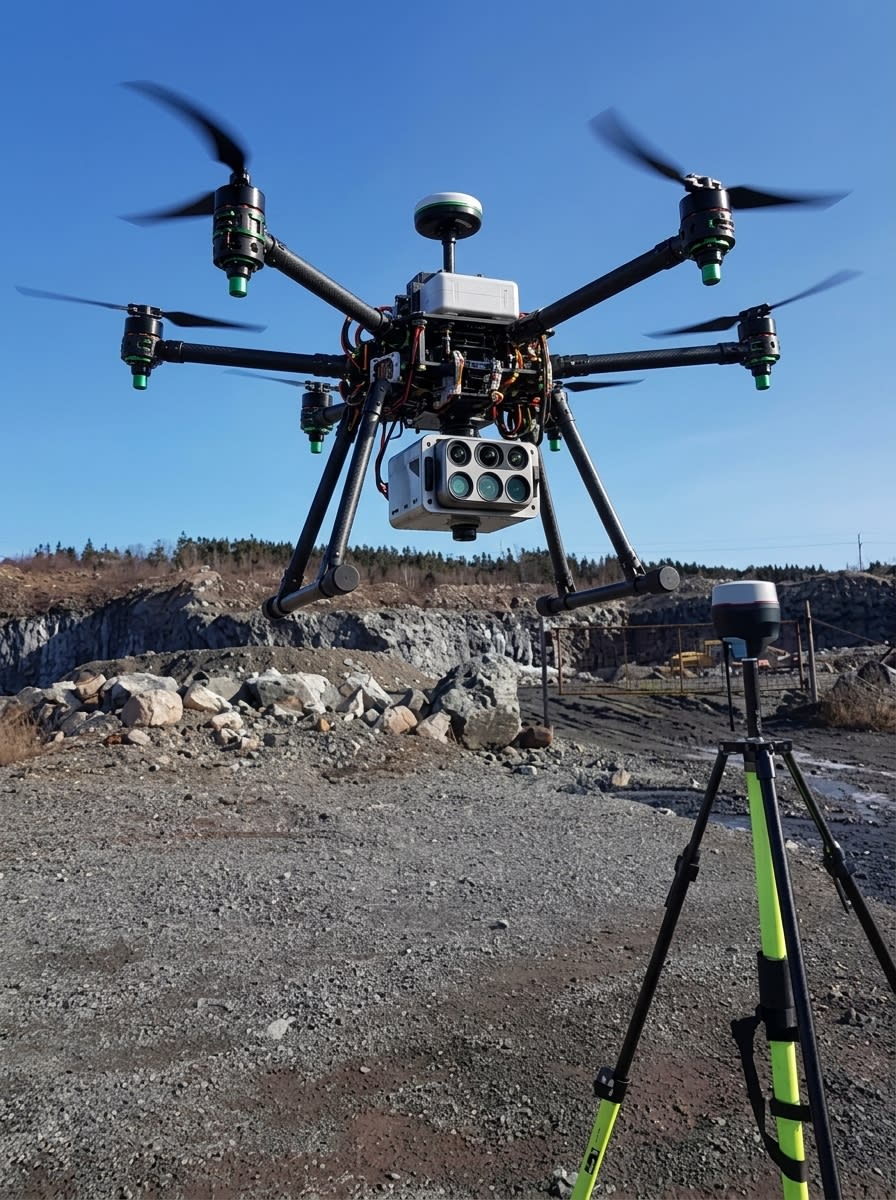
Payloads capturing multispectral, thermal, and optical imagery stream structured metadata through high-bandwidth telemetry links. Onboard edge processors compute real-time anomaly tags, synchronizing localized findings with master asset management systems.
Strategic & Ecosystem Implications
Industrial transformation requires cross-disciplinary workforce competencies: licensed UAV remote pilots, GIS data specialists, and robotics maintenance technicians.
MedhaArc bridges this operational gap by pairing high-performance sovereign UAV hardware with specialized institutional training programs.
Regulatory & Governance Considerations
Industrial drone operations must comply with DGCA flight permits, designated green/yellow/red airspace authorizations, and data sovereignty mandates.
Compliance-by-design ensures that every flight path respects geo-boundaries and adheres to national civil aviation regulations.
Implementation & Structural Constraints
Legacy infrastructure resistance, fragmented operational data silos, and pilot shortage are persistent challenges in heavy industry.
Phased deployment roadmaps—starting with high-risk inspection audits and gradually expanding into routine autonomous sweeps—mitigate operational friction.
Forward Outlook & Innovation Trajectory
The next phase will feature dock-based autonomous drone stations, continuous swarm asset auditing, and predictive anomaly remediation without human intervention.
Industrial digital twins will continuously self-update based on real-time aerial sensor sweeps, enabling true autonomous facility oversight.
Concluding Analysis
Digital transformation is fundamentally physical. Enterprises that integrate autonomous robotics into their core field operations achieve decisive advantages in safety, speed, and operational resilience.
Build Real Aerospace & Autonomous Robotics Hardware
At MedhaArc Labs, we transition students and engineering learners from passive tutorials to physical engineering. Explore our hands-on drone flight controller kits, 6-DOF robotic arm testbenches, and institutional STEAM curriculum.